
SOUTHEAST ASIA: GIRLS’ PROJECTS
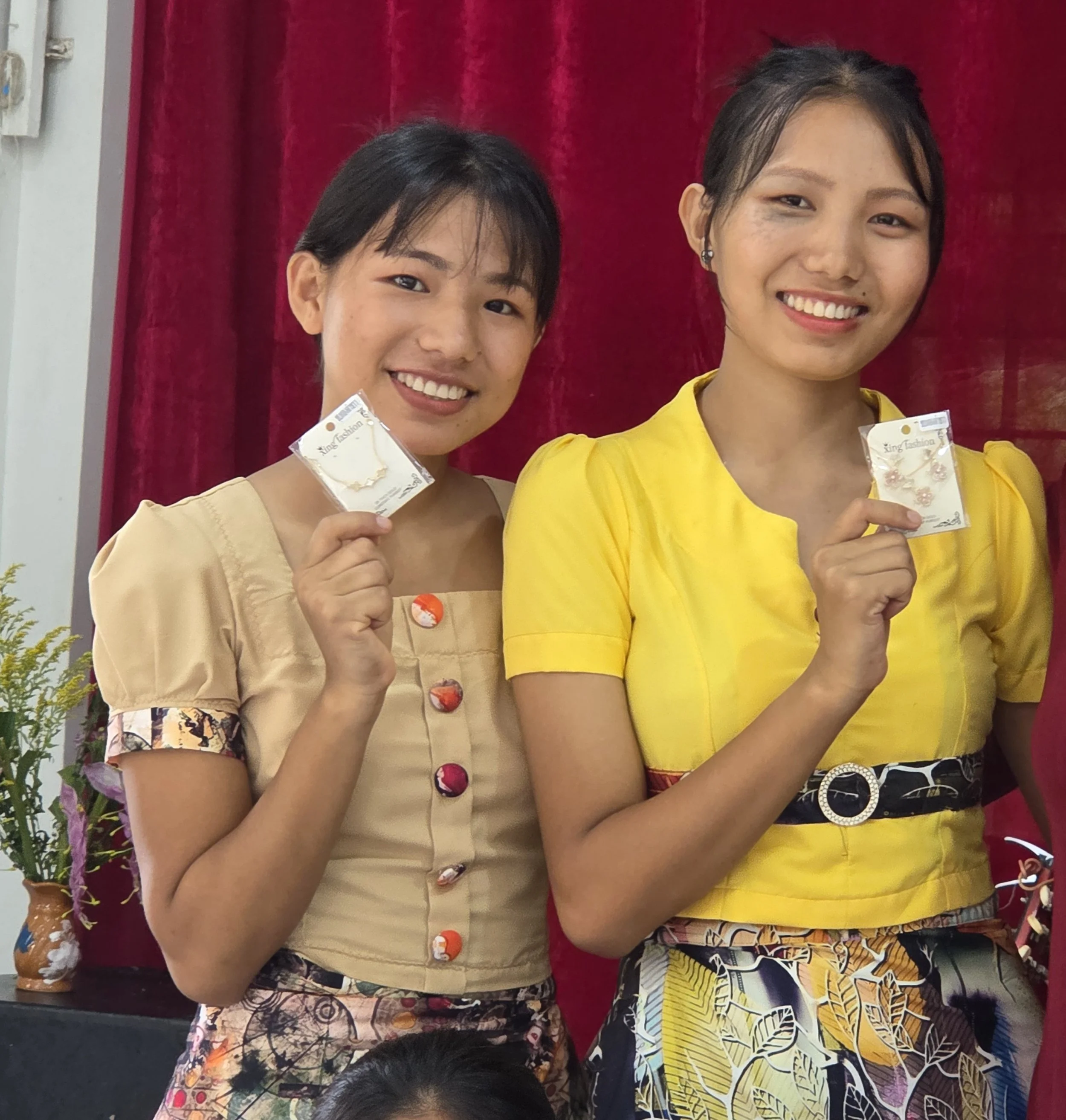
Within Southeast Asia, we now have an incredible six girls’ homes where we disciple around 90 teenage girls. The various projects are located amongst staunchly Buddhist people who are fiercely independent.
Over the years, many young people have graduated from our residences with some moving on into both ministry and professional work.
While Thai society still has a stratum of poverty, it is not as great as say, 30 years ago. Unlike in previous times, girls are now encouraged to graduate from high school. So, instead of running safe houses, we are simultaneously both mentoring our kids and sponsoring them to complete high school and move into university study.
Some of the homes are located within the lawless region known as the Golden Triangle. This is an area infamous for cross-border sex trafficking and is the world's number one producer of methamphetamine.
We aim to see our young women rise above outdated expectations so that they can; graduate both high school and university, have a greater choice in who they marry, and when they might have children, and where they will live. Once our girls have completed their education, we expect that they will input back to their own people again.
“So far, in just one of our girls’ homes, we have produced a medical doctor, a computer engineer, and many schoolteachers. These were all girls who were heading towards the education scrap heap.”
MM is from a remote village in the Golden Triangle area. She is 15 years old and is studying in 8th Grade. Her parents are Buddhist. Her father has been a drunkard all her life. This places great economic and social strain on her family. Two years ago, their village was attacked, bombed, and set on fire. So they all had to flee, leaving behind their fields and belongings. Fortunately, MM’s house did not go up in flames, but MM’s family and all the other villagers cannot return to their village. To this day, her family is still living in a UN refugee camp. It is very difficult for them to even find food and water. Cruelly, the controlling army has prevented anyone who would want to help them and any other victims of the war. MM lost the opportunity to attend school. Because of this situation, we invited her to stay with us. Being a displaced civil war refugee, MM is very happy to be living with us. She enjoys school and is nicely growing up.

“Back in our village, there seem to be two stages for the girls once they have completed school. First, they try to help their parents in the corn and rice fields. They get married at about the age of 16 years. Then they become disappointed because of such a low level of income, they then, by their own free will, get picked up in vehicles by rich people and they cross the border where they become bad women. In my area, my family and others grow opium poppies (used in the production of heroin).” Since this interview, this girl has graduated from university, moved back to her people, and is now a school teacher.
In her region, opium is so common that it is sometimes even used as a church tithe.

“Aw” is one of nine kids in her family. Her parents decided that, having completed Grade 4, Aw could give up on her education. But she persisted! So, she started attending school in a small town where she had to travel three hours each way just to attend. Obviously, this was not practical, so instead Aw rented a small room in the town and kept her education going up to the end of Grade 8, when her parents finally said, “Enough! Time to give up now.”
And that was when we got her.
Now, along with four of her friends from our girls’ house, she has successfully completed the National Year 12 Exams – nationally, it has a 60% failure rate.
Aw has now just become a schoolteacher. How cool is that? And it gets better, because the girl standing to her right is also now a schoolteacher.